
Thanksgiving Tips for Babies
Holidays are a wonderful opportunity for babies to learn about mealtimes, the joy of spending time with family, and the excitement of exploring new flavors. Thanksgiving can be especially memorable, and while sharing food with your baby is exciting, it's important to do so safely. Our licensed pediatric professionals share tips to help you navigate this holiday with minimal chaos.

Bringing Baby to the Table Include your little one in the family celebration by placing them on your lap or by removing the high chair tray and positioning the chair right at the table. This way, your baby can enjoy the festive experience alongside the family.
Offering Baby Some of Your Meal Most Thanksgiving dishes can be adapted to be safely shared with baby. Be mindful of food allergens and modify dishes as needed to ensure they are baby-friendly. Learn how to safely introduce common Thanksgiving foods for your baby.
Mind the Food Allergens Thanksgiving foods often contain allergens like cow’s milk, egg, wheat, and tree nuts. These should be introduced to your baby separately, making sure to observe for any adverse reactions.
Minimize the Risk of Foodborne Illness Avoid serving raw, rare, or undercooked proteins and cured meats. Also, remember to discard food left at room temperature for more than 2 hours, as it can lead to bacterial contamination.
Don’t Worry About Sodium It’s okay if the meal has more sodium than usual. Your baby will enjoy trying new foods, and sodium isn’t a concern when enjoyed occasionally. Learn more about how sodium affects babies.
Introducing a Taste of Sugar Dessert is fine to share, as long as it doesn’t contain choking hazards or honey, which should be avoided in babies under 12 months. Read more about sugar and babies in our guide.
Use a Straw Cup to Avoid Spills Teaching baby to drink from a straw cup is a great idea, but don’t worry if it takes time. Check out our article on how to teach your baby to drink from a cup for helpful tips.
Be Mindful of the Mess If you're visiting family, bring along a splat mat (or two!), an extra set of clothes, wipes, and baggies for soiled bibs and clothes. This will help minimize the mess and ensure your baby stays comfortable.
Manage Your Expectations Holiday meals can be overwhelming for your baby. Focus on the experience of mealtime and the joy of exploration, rather than stressing about how much food they consume.
Thanksgiving Foods for Babies
Many Thanksgiving foods can be adapted to be safe for babies. Below are a few of our favorites—check the Start Solids First Foods database for additional options or modifications.
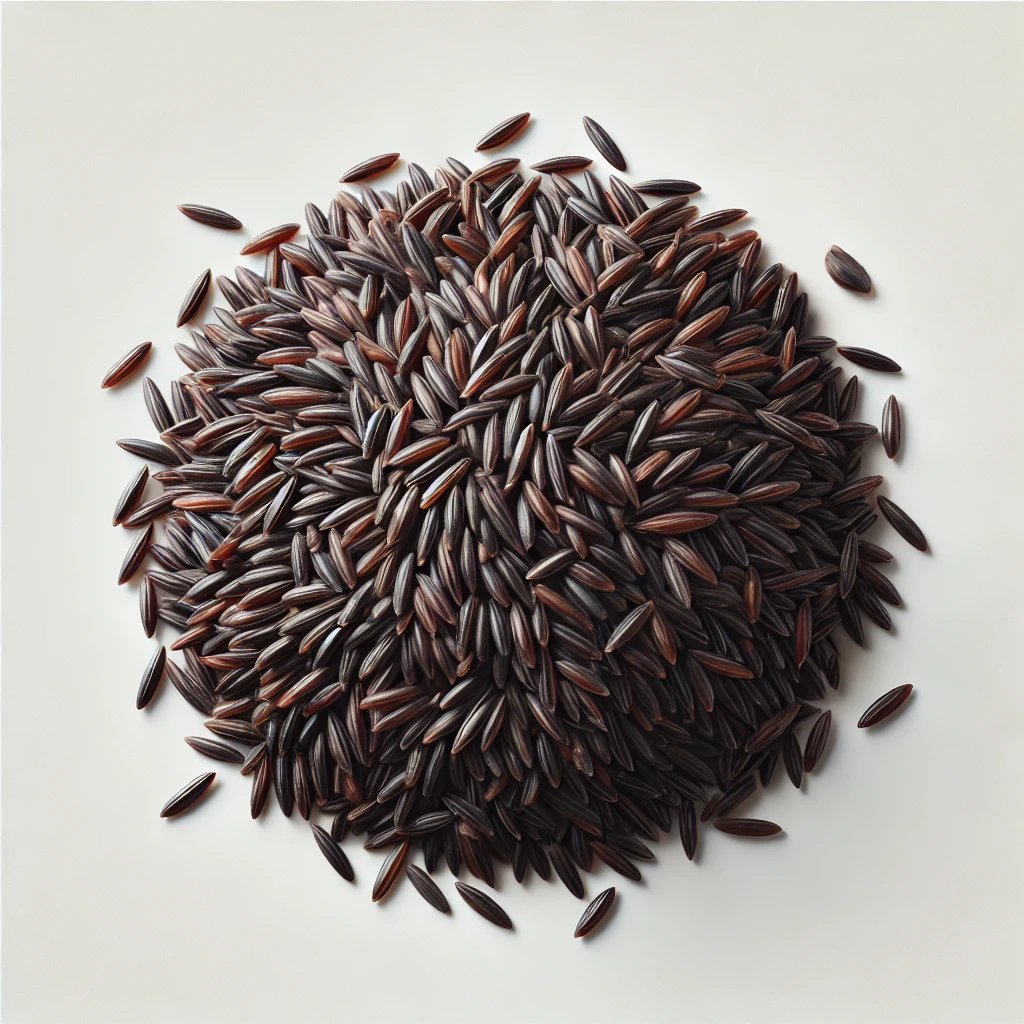
Wild Rice Wild rice is a healthy option, but it can cause gagging. Flatten it with a fork or mix it into other dishes like meatballs or dips for a safer experience.
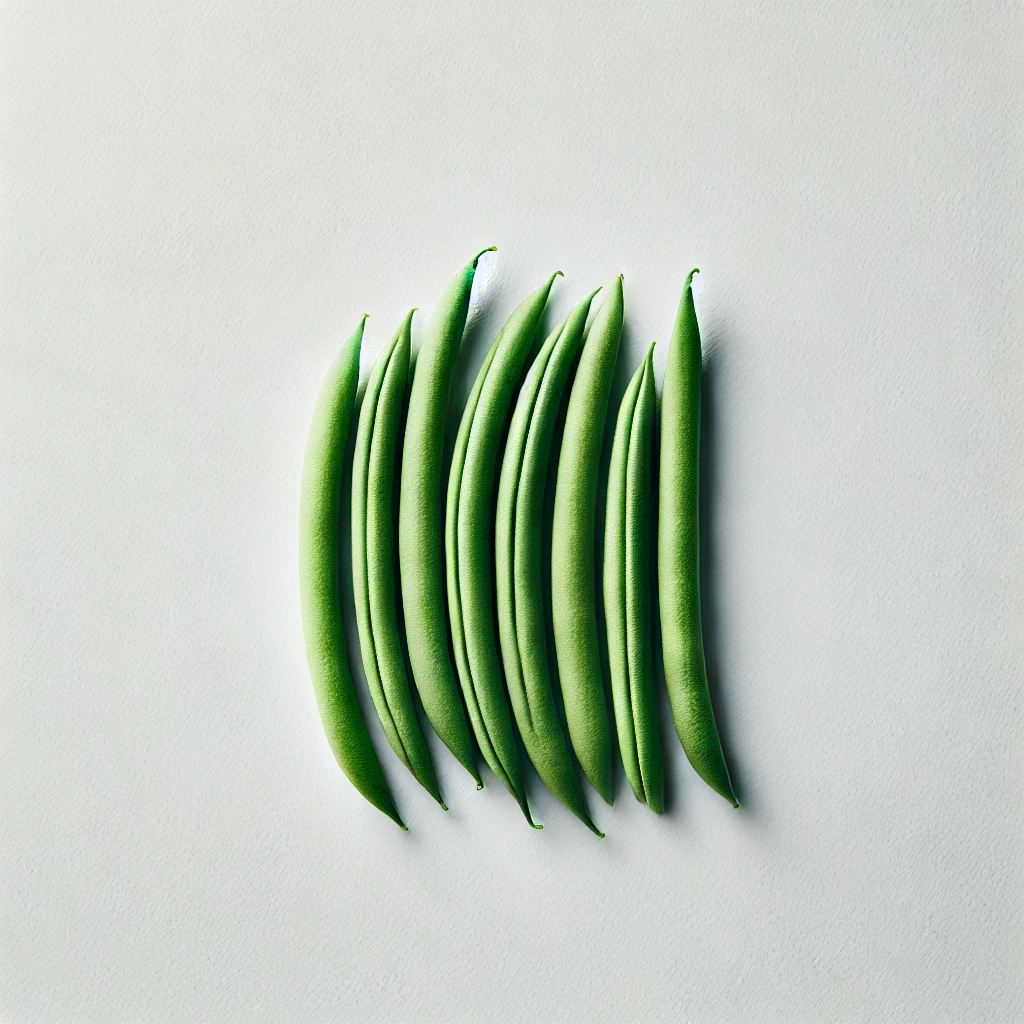
Green Beans Green beans are rich in fiber and vitamins. Serve whole, cooked beans for baby to hold and munch on. Larger beans are safer for babies to manage.
Gravy Gravy can be served in small amounts to dip finger foods or mixed into mashed vegetables. Ensure it’s free from choking hazards and allergens.
Sweet Potato Sweet potatoes are packed with nutrients. Large, cooked wedges or mashed sweet potatoes are easy for babies to grab and enjoy. If sharing sweet potato casserole, remove any marshmallows or nuts.
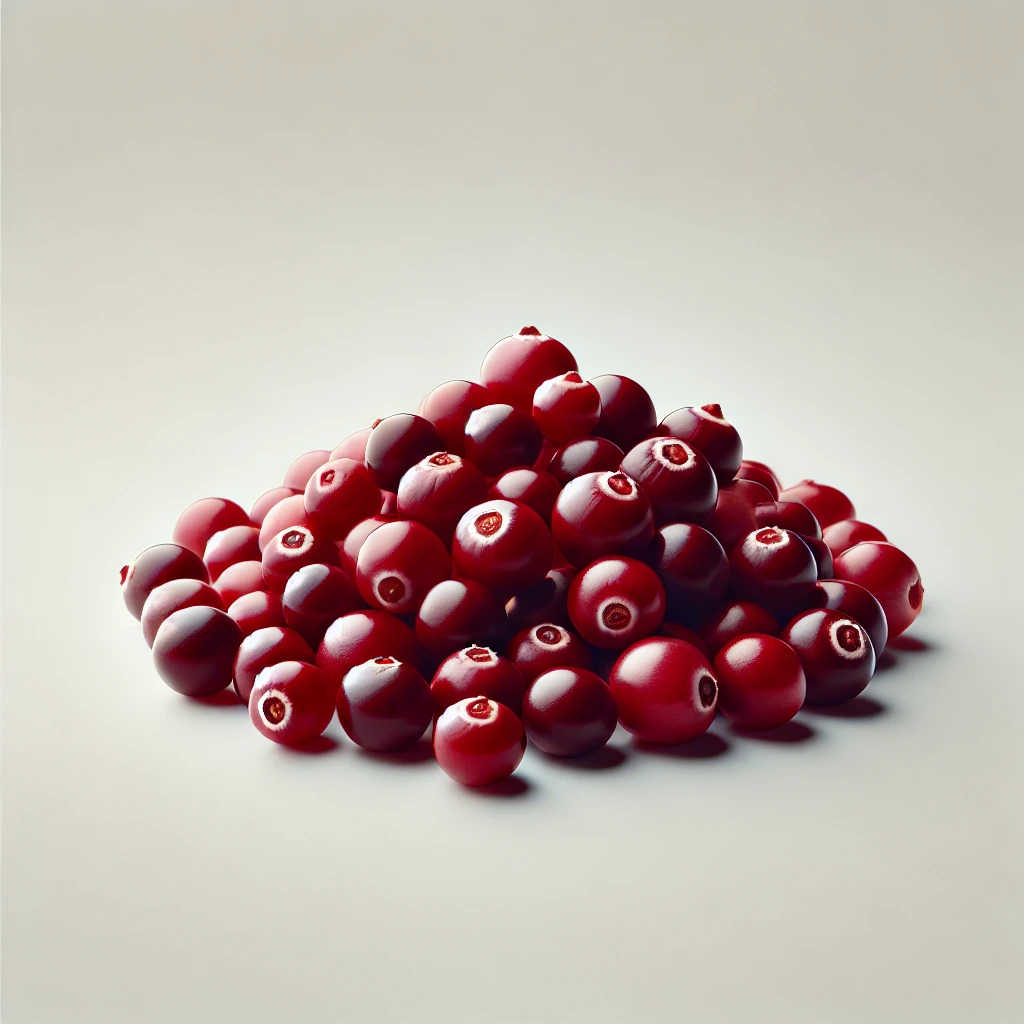
Cranberries: Cranberries offer a tangy flavor and vitamin C. Fresh cranberries can be choking hazards, but cranberry sauces are safe once cooked down.
Stuffing: Stuffing is safe when it’s soft and free from choking hazards like sausage pieces or nuts. Be aware of common allergens like egg, wheat, or milk in stuffing.
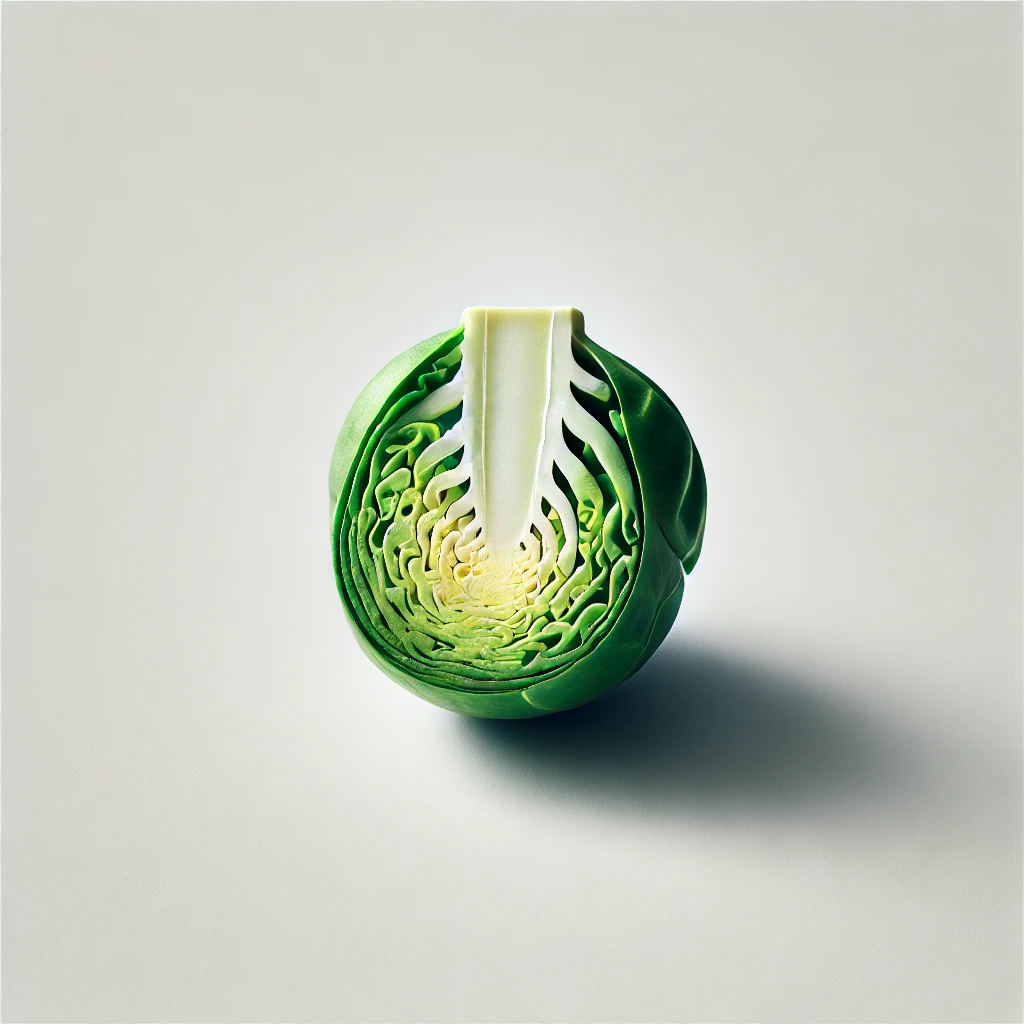
Brussels Sprouts Brussels sprouts are full of fiber and key nutrients. Cook them until soft and serve in halves or large quarters to reduce choking risk.
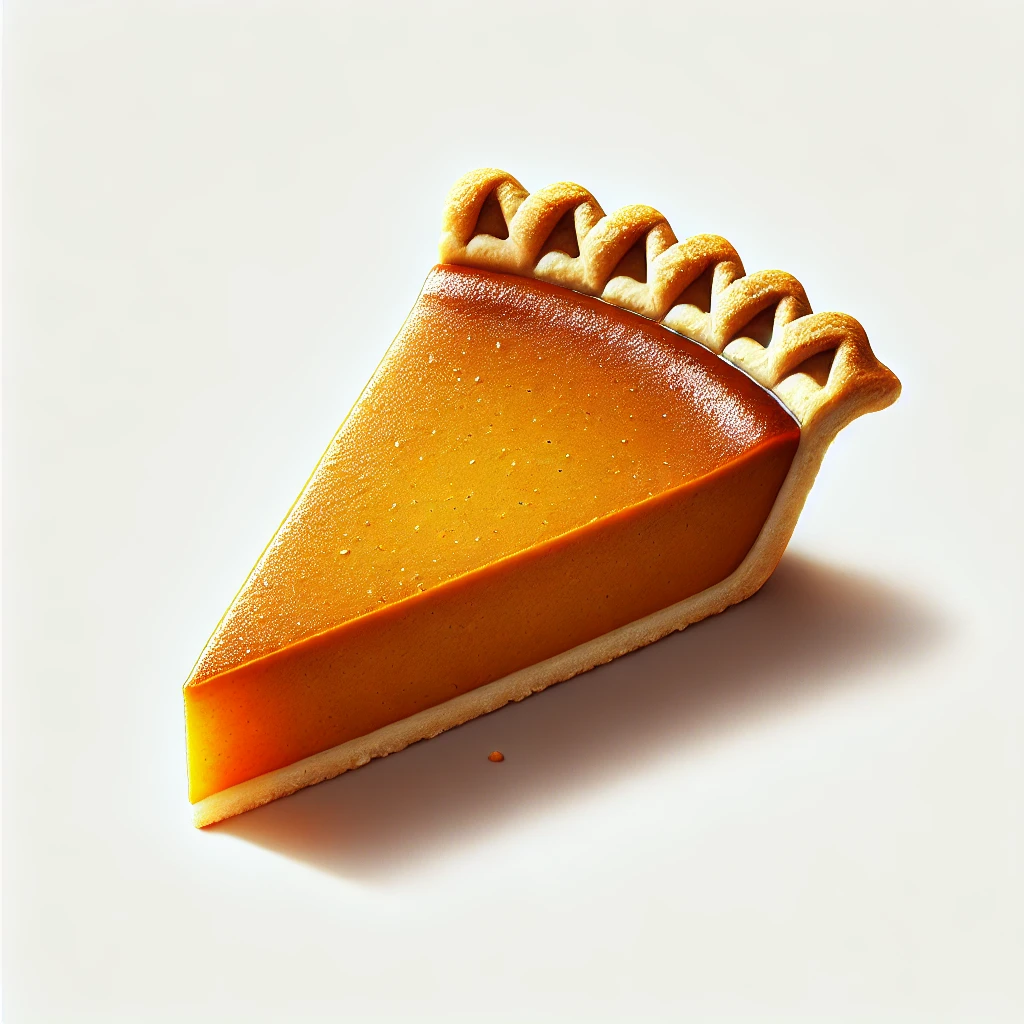
Pie As long as it’s free from honey and choking hazards, pie is a great way to include your baby in the holiday celebration. Modify or remove large pieces of nuts and dried fruit to keep it safe.
Ham Serve ham in strips (the size of two adult fingers), and avoid cured or honey-glazed varieties. Reheat to steaming to reduce the risk of foodborne illness.
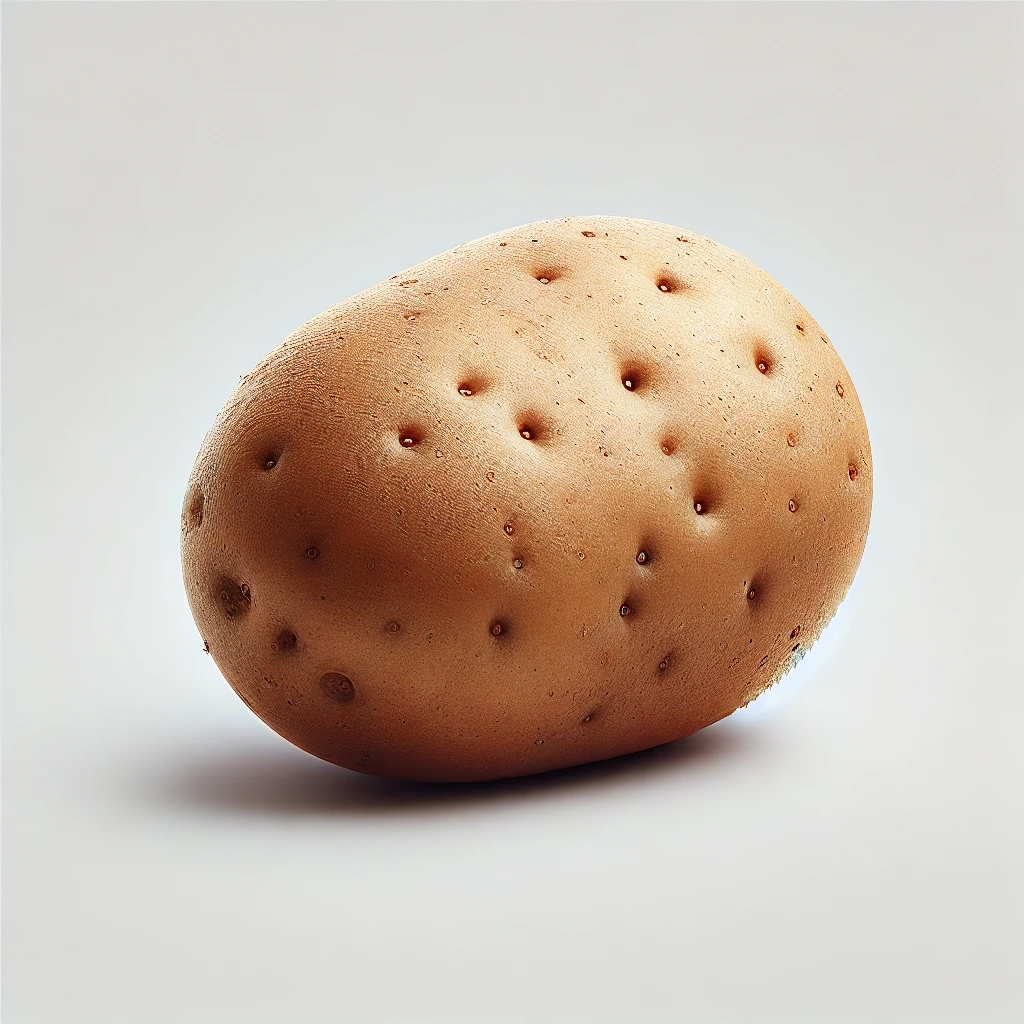
Potatoes Mashed or large potato wedges are a nutritious and easy food for babies. Feel free to add butter or cheese to mashed potatoes and let baby practice using a spoon or feeding themselves.
Tamales Soft tamales, moistened with salsa, are safe to share. Remove any choking hazards like large meat chunks or whole olives, and avoid crispy tamales for younger babies.
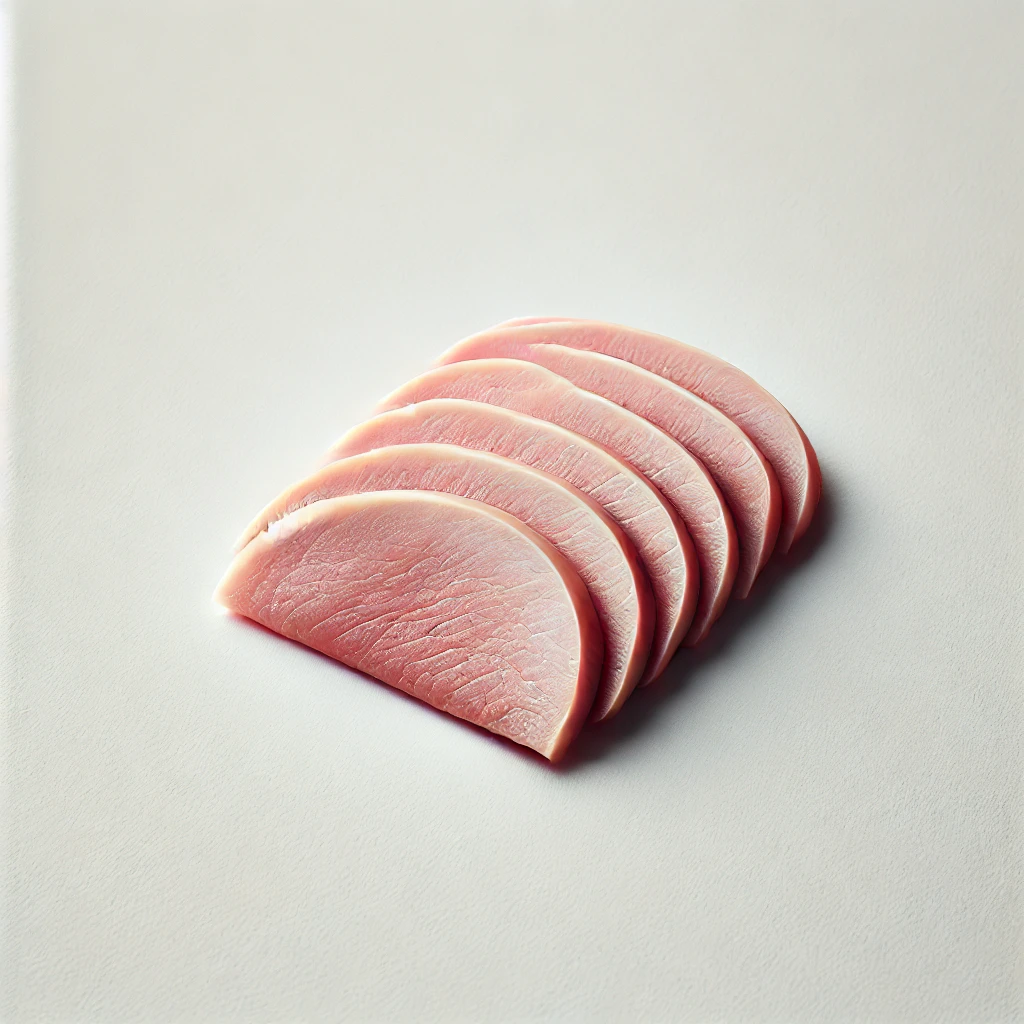
Turkey Turkey is a great protein source for babies. Offer turkey drumsticks (with cartilage and skin removed) or strips of meat for baby to practice chewing.
Expert Tips Delivered to Your Inbox
Sign up for weekly tips, recipes and more!